Signs You May Need Wisdom Teeth Removal in Oxnard CA
@franciscoiqgn146
September 28, 2026 · 15 min read
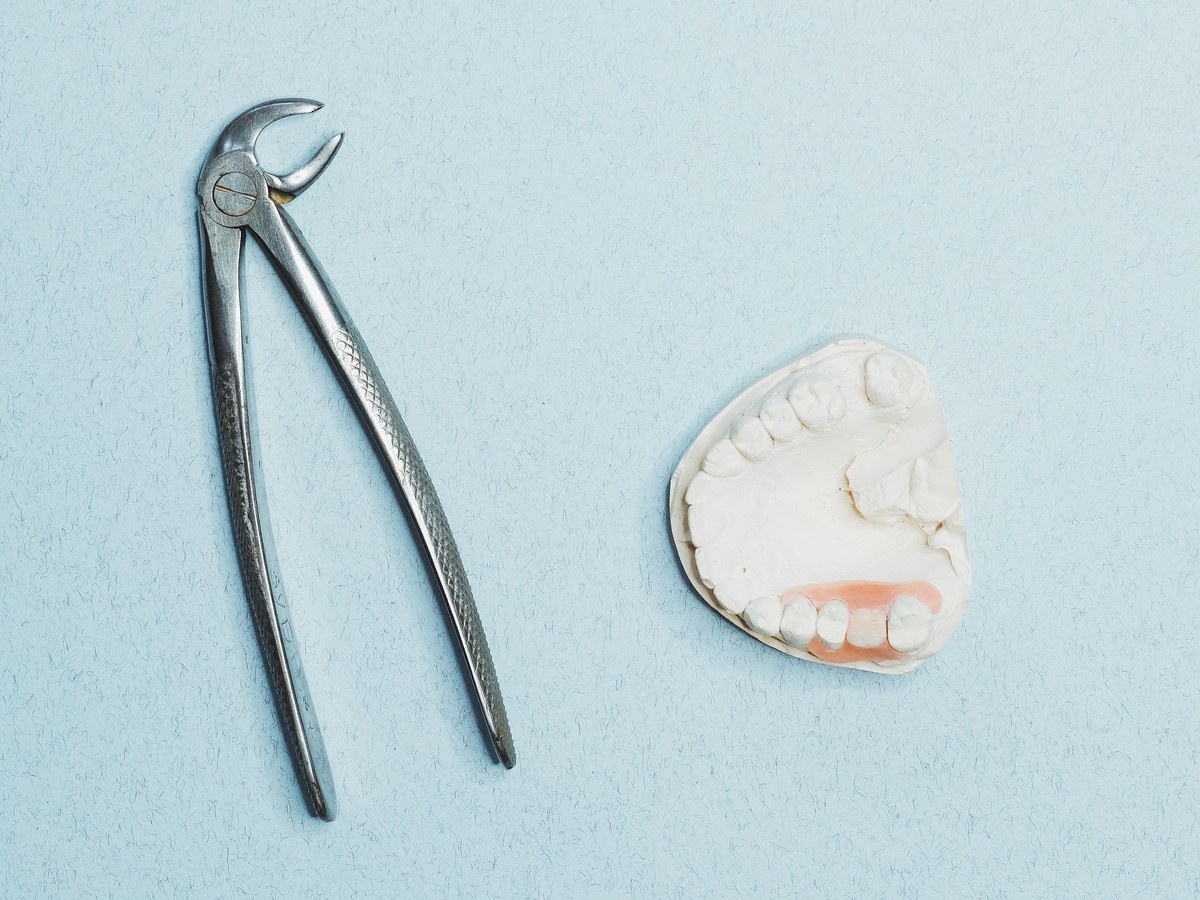
Wisdom teeth have a talent for showing up quietly, then causing trouble all at once. For some people, they erupt without much drama. For many others, they stay trapped under the gums, push against neighboring teeth, or create a hard-to-clean pocket where bacteria settle in. By the time discomfort becomes obvious, the problem has often been building for months or even years.
That pattern is one reason dentists and oral surgeons talk so much about early evaluation. A patient may feel only occasional pressure in the back of the mouth, yet an X-ray can reveal a tooth growing sideways or pressing into the root of the second molar. Another patient may never notice pain, but repeated gum infections behind the last visible molar tell the real story. When people start researching Wisdom Teeth Removal Oxnard CA, it is usually because something has begun to feel off, or because a dentist has flagged a concern during a routine visit.
The challenge is that wisdom tooth problems do not always look dramatic at first. The signs can be subtle, easy to dismiss, and sometimes confusing because they mimic sinus pressure, jaw tension, or ordinary tooth sensitivity. Knowing what to watch for can help you act before a small issue turns into a more painful and expensive one.
Why wisdom teeth become a problem so often
Wisdom teeth, also called third molars, usually appear in the late teens or early twenties, though timing varies. Human jaws are often smaller than they were generations ago, and there simply may not be enough room for four extra molars. When space is tight, wisdom teeth can emerge partially, remain fully impacted under the gum, or erupt at an angle that affects nearby teeth.
In practice, the issue is rarely just the tooth itself. It is the environment the tooth creates. A partially erupted wisdom tooth often leaves a flap of gum tissue over part of the crown. Food and bacteria get trapped there. Brushing that area well is difficult even for careful patients. Once inflammation starts, it tends to return. Patients often describe it as a sore gum that settles down for a while, then flares up again after stress, illness, or a few days of less-than-perfect oral hygiene.
Even fully impacted teeth can cause trouble. They may develop cysts, contribute to crowding concerns in select cases, or damage the second molar beside them. That is why the absence of pain does not always mean the absence of a problem.
Persistent pain at the back of the mouth
The clearest warning sign is recurring pain or tenderness behind your last molars. Sometimes it feels sharp when chewing. Sometimes it is a dull ache that comes and goes. Patients often say it feels like something is “stuck” or “pushing” in the back corner of the jaw.
Pain in this area deserves attention because wisdom tooth discomfort rarely improves permanently on its own. A brief flare-up can calm down, but if the underlying issue is lack of space, gum irritation, or impaction, the pattern usually repeats. One common scenario is discomfort that starts during eating, then begins showing up at rest, then starts waking the patient at night. By then, inflammation has often advanced.
The location matters too. Soreness at the very back of the lower jaw, especially if it seems to radiate toward the ear or throat, often points toward a lower wisdom tooth issue. Upper wisdom teeth can create pain farther back in the cheek and may even feel like sinus-related pressure. The body is not always precise about where it reports pain, which is why an exam and imaging matter.
Swollen gums that keep returning
A swollen gum flap over a partially erupted wisdom tooth is one of the most common findings in younger adults. The tissue becomes red, puffy, and tender. Sometimes it bleeds easily during brushing. Sometimes it feels almost itchy before it becomes painful. Many people assume they brushed too hard or scratched the gum with food, but the repeated cycle is the clue.
This type of inflammation is often tied to a condition called pericoronitis, which is essentially infection and irritation around a partially erupted tooth. In mild cases, the area is just sore. In more serious cases, swallowing becomes uncomfortable, the jaw feels stiff, and a bad taste develops because bacteria and debris collect under the gum tissue.
In coastal communities like Oxnard, where active schedules and busy family life can make it easy to postpone care, this is the kind of problem people often try to “wait out.” They rinse with warm salt water, chew on the other side, and hope it settles. Sometimes it does for a few days. Then it comes back, often worse. Recurrent swelling is a strong sign that the tooth may need more than temporary symptom relief.
Jaw stiffness or trouble opening fully
Not every wisdom tooth problem starts as tooth pain. Some people first notice tightness in the jaw. They yawn and feel a tug near the hinge of the jaw. They try to open wide for a sandwich or during brushing, and the motion feels restricted. This can happen when inflamed tissue around a lower wisdom tooth affects nearby muscles.
The body tends to guard painful areas. When there is inflammation or infection in the back of the mouth, surrounding muscles may tense up as a protective response. Patients sometimes describe this as “my jaw feels locked” even when it is not true mechanical locking. It is more of a painful stiffness than a joint disorder, but without an exam, the difference is not always obvious.
That overlap matters because many people blame stress, teeth grinding, or temporomandibular joint problems for symptoms that actually trace back to a wisdom tooth. If jaw stiffness appears together with gum soreness, swelling, or tenderness behind the last molar, wisdom teeth should be part of the conversation.
Headaches, earaches, and pain that seems to travel
Referred pain is common with wisdom teeth. A lower impacted tooth can create discomfort that spreads into the jaw, temple, or ear. An upper wisdom tooth may trigger pressure that feels surprisingly similar to sinus congestion. Because the pain does not always stay neatly in one spot, patients can spend weeks treating the wrong issue.
This is especially true with intermittent symptoms. If the pain comes and goes, it is easy to blame posture, allergies, or a stressful workweek. Yet when the pattern keeps circling back, a dental source becomes more likely. Clinicians see this often in patients who report one-sided headaches and discover a partially erupted or impacted molar on the same side.
That does not mean every headache is a wisdom tooth issue, far from it. But when facial pain, earache, or temple pressure appears alongside back-of-mouth tenderness, swelling, or chewing discomfort, a wisdom tooth evaluation is a sensible next step.
Food trapping and bad breath that won’t quit
One of the less dramatic but very telling signs is chronic food trapping behind the second molars. You floss and brush, but the https://erickzndv407.swiftnestly.com/posts/what-you-should-eat-and-drink-after-wisdom-teeth-removal-in-oxnard-ca back corner still feels unclean. There may be a foul taste, stubborn bad breath, or a sense that something is collecting under the gum. These complaints are easy to underestimate because they do not sound urgent, yet they often point to a structural problem that daily hygiene cannot fully solve.
Partially erupted wisdom teeth create hidden niches where toothbrush bristles and floss do not reach well. Once bacteria establish themselves there, inflammation follows. The patient may do everything right at home and still feel frustrated by persistent odor or soreness. In that setting, the issue is often less about hygiene habits and more about anatomy.
This is one reason people seeking Wisdom Teeth Removal Oxnard CA often mention bad breath before they mention pain. It is not vanity. It is a sign that the area has become difficult to maintain in a healthy state.
Repeated infections or antibiotic stopgaps
If you have needed antibiotics more than once for swelling or infection around a wisdom tooth, that is a strong sign the underlying problem remains unresolved. Antibiotics can reduce bacterial load and calm an active infection, but they do not create space in the jaw, change the angle of eruption, or remove a gum flap that keeps trapping debris.
Temporary improvement can be misleading. A patient feels better, assumes the issue has passed, then experiences another flare-up a few months later during finals, travel, or a busy stretch at work. That cycle is common. It also tends to get more disruptive over time.
Dentists generally look at the whole pattern rather than a single episode. One mild irritation may be managed conservatively. Recurrent infections, repeated swelling, or persistent tenderness after initial treatment usually point toward extraction as the more durable solution.
Damage to the neighboring tooth
One of the most important problems with impacted wisdom teeth is the damage they can do next door. When a wisdom tooth presses against the second molar, it can contribute to decay, root resorption, or bone loss in that area. The second molar is usually more important for long-term chewing function than the wisdom tooth, so protecting it matters.
This damage can develop quietly. Patients are often surprised to hear that the painful tooth is not always the only tooth at risk. A sideways impacted wisdom tooth may create a trap where plaque accumulates between teeth, leading to a cavity that is difficult to restore. In some cases, by the time the issue is discovered, the second molar has also been compromised.
That possibility is one reason early imaging has real value. An X-ray can show the angle, depth, and relationship of the wisdom tooth to nearby teeth long before symptoms become severe.
Your dentist keeps watching the same tooth
There is a practical clue many people overlook. If your dentist mentions the same wisdom tooth at multiple checkups, there is probably a reason. Monitoring does not always mean immediate removal is necessary, but it does mean the tooth has enough risk attached to it that it cannot be ignored.
Sometimes the concern is lack of room. Sometimes the roots are still developing and the timing of removal may become more favorable within a certain window. Sometimes the tooth is partially erupted and prone to future infection, even if today’s symptoms are mild. Clinical judgment here matters. Good decision-making is not about removing every wisdom tooth reflexively, nor is it about waiting until pain becomes unbearable. It is about balancing current symptoms, X-ray findings, age, root formation, and the tooth’s likely future behavior.
Signs that deserve prompt attention
A few symptoms suggest the problem may be more urgent and should not be brushed off:
- swelling that spreads into the cheek or jaw
- fever or feeling generally unwell with tooth pain
- trouble swallowing or opening the mouth normally
- pus, foul drainage, or a strong bad taste from the area
- severe pain that is not relieved by standard home measures
Those signs do not automatically mean an emergency room visit, but they do mean you should contact a dental professional quickly. Infections in the mouth can escalate fast in some cases, and it is better to be evaluated early than to guess.
When removal may not be necessary right away
Not every wisdom tooth needs to come out. That is worth saying plainly. Some erupt fully, align reasonably well, and can be cleaned like any other molar. Others remain impacted but stable, with no evidence of damage, infection, or pathology. In those situations, careful monitoring may be appropriate.
The decision depends on more than one factor. Age matters because recovery is often easier in younger adults, though many older adults also do well. The tooth’s position matters. Symptoms matter. The health of the surrounding gum and bone matters. So does the patient’s ability to keep the area clean. Someone with deep impaction and no pathology may be observed. Someone with repeated inflammation around a partially erupted tooth often benefits from removal even if the pain seems manageable between flare-ups.
Good care is not one-size-fits-all. It relies on examining the mouth, reviewing imaging, and discussing what is happening in real life, not just what appears on paper.
What an evaluation usually involves
A wisdom tooth consultation is generally straightforward. The clinician reviews symptoms, examines the gums and jaw, and takes imaging, often a panoramic X-ray. In some cases, additional three-dimensional imaging is useful if the roots appear close to important structures such as the inferior alveolar nerve in the lower jaw or the sinus in the upper jaw.
Most patients want to know three things: does the tooth need to come out, how difficult will the procedure be, and what will recovery feel like? Those are fair questions. The answers depend on whether the tooth is erupted or impacted, how the roots are shaped, how much bone covers the tooth, and whether active infection is present at the time of surgery.
In a thoughtful consultation, you should leave with a clear sense of risk, timing, and expected recovery. If the recommendation is removal, it should make clinical sense based on your symptoms and imaging, not vague fear of future problems.
What recovery is usually like
Recovery varies more by the complexity of the extraction than by the phrase “wisdom tooth removal” itself. A simple erupted tooth often heals faster than a deeply impacted lower molar. Most patients experience several days of soreness and swelling, with the first seventy-two hours often being the most noticeable. Many return to desk work or school within a day or two, while physically demanding work may require more planning.
Discomfort tends to improve steadily, not vanish overnight. Mild bruising, limited jaw opening, and tenderness with chewing are common early on. The goal is a predictable healing course, not zero symptoms. Trouble arises when pain sharply worsens after initial improvement, bleeding does not settle, or signs of infection appear. Those situations deserve follow-up.
Patients often do best when they prepare realistically. Soft foods, a lighter schedule for a couple of days, and careful attention to post-op instructions make a real difference. People who assume they will “power through” a difficult extraction like it was a routine cleaning often end up frustrated.
Questions worth asking before you schedule
If you are considering Wisdom Teeth Removal Oxnard CA, clarity matters. A short conversation can spare a lot of uncertainty later. Useful questions include the following:
- Are my wisdom teeth impacted, partially erupted, or fully erupted?
- Is there current damage or infection, or is this preventive timing?
- What type of anesthesia or sedation is appropriate for my case?
- How many days of downtime should I realistically expect?
- Are there any risks specific to the position of my teeth?
Those questions help you understand not just whether removal is recommended, but why. A good provider should be able to explain the reasoning in plain language.
The local factor in Oxnard
In a city like Oxnard, patients often try to fit dental care around work shifts, school schedules, sports seasons, and family demands. Wisdom tooth symptoms have a bad habit of flaring at the least convenient time, during travel, right before exams, or over a holiday weekend. That reality is one reason early evaluation is practical, not alarmist.
The other local factor is access to ongoing care. When you establish a plan before pain becomes intense, you have more options. You can choose timing thoughtfully, arrange transportation if sedation is planned, and recover without the added stress of an urgent infection. Waiting until swelling is severe narrows those options and usually makes the whole experience harder.
The bigger picture
Wisdom tooth problems are often less about one dramatic event and more about a pattern. A sore gum that keeps returning. A back tooth that traps food no matter how well you brush. Jaw stiffness that seems minor until it starts interrupting meals. Pressure that turns into pain. An X-ray that shows a tooth with nowhere useful to go.
Those are the signs worth paying attention to. If any of them sound familiar, an evaluation is the sensible next move. Wisdom teeth rarely improve because they are ignored. They improve when someone looks carefully, weighs the evidence, and decides whether monitoring or removal is the better path for that specific mouth.
That kind of judgment is what matters most. Not every third molar is a problem. But when the signs are there, acting early can protect your comfort, your neighboring teeth, and your future dental health.
Oxnard Dentistry
1730 E Gonzales Rd
Oxnard, CA 93036, United States
Phone: +1 805-307-8731
FAQ About Wisdom Teeth Removal Oxnard CA
How much does it cost to get wisdom teeth removed in California?
Fees depend on tooth position, the number of extractions, imaging and anesthesia. Oxnard Dentistry can provide an individual estimate after examining your teeth. Ask for an itemized plan and confirm insurance benefits before scheduling.
Will insurance cover wisdom teeth removal?
Coverage and out-of-pocket costs vary by policy and the treatment required. Ask the dental office and your insurer to verify benefits, annual limits and any authorization requirements. A benefit estimate does not guarantee payment.
Is 30 too old to have wisdom teeth removed?
Age alone does not determine whether extraction is appropriate. A dentist evaluates symptoms, tooth position, oral health and medical history. Healthy, functional wisdom teeth may be monitored; teeth causing disease or other problems may need treatment.